Can consistency become destructive?
“Create something valuable, and the reward will find you.” Sounds nice. Yet I have seen countless artists post their work for years without receiving a single commission or sale. What they gain instead is fear that, if they stop posting, the reward will never arrive.
The obsession with consistency is widespread. A few years ago, I tried building a blog on LinkedIn to sell my creative services. I posted daily, waiting for opportunities to appear. Eventually, I drifted from graphic design and marketing into the niche of LinkedIn creators. Because these creators are exceptionally active, they can push content through platform algorithms. Yet the visibility among people who only want to sell their own products, not buy someone else’s, proved worthless.
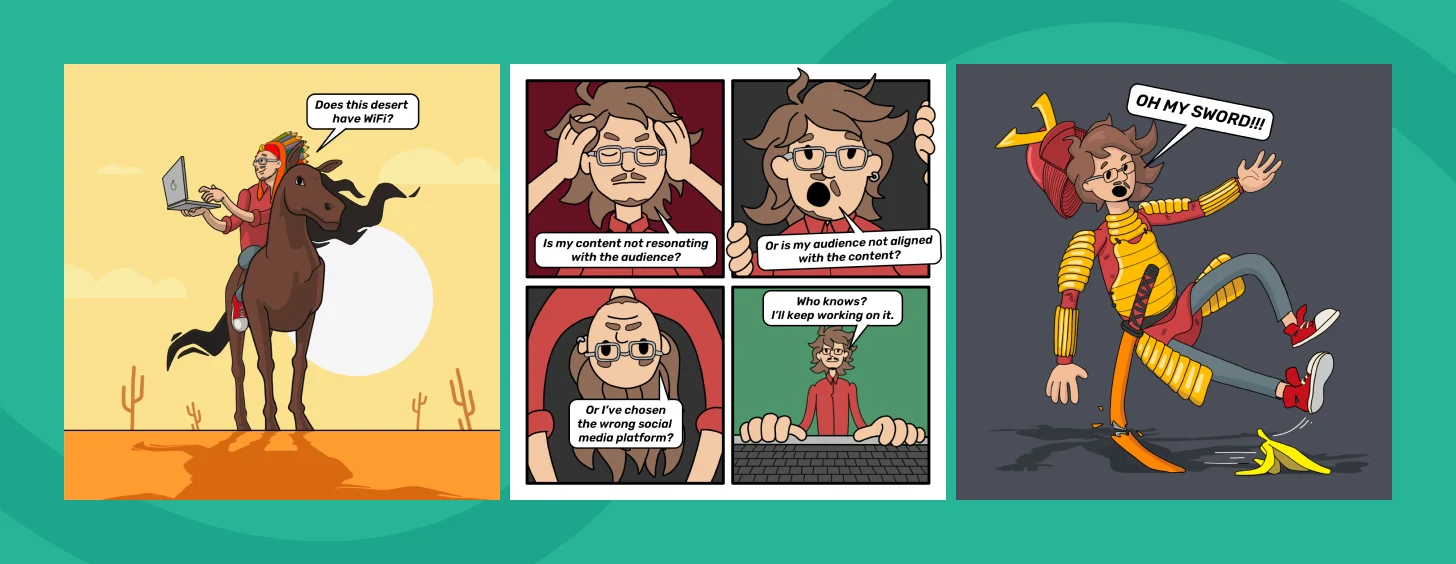
Look busy, do nothing. I wasted time in shallow social interactions. Meanwhile, producing my own work demanded substantial effort. Illustrations, comics, and animations took hours to create, yet attracted little more than views from other creators. Long story short, after three months, I abandoned the pursuit with nothing to show for it except exhaustion.
“Create, and the reward will find you.” This idea encourages people to keep showing up, but it also shifts responsibility for results onto the universe. But who defines the reward? The creator does – by investing effort and expecting something in return. To receive that return, however, creators must do more than simply display their work; they must place it in front of people capable of recognizing its value and rewarding them for it. The universe is unlikely to deliver such people by magic.
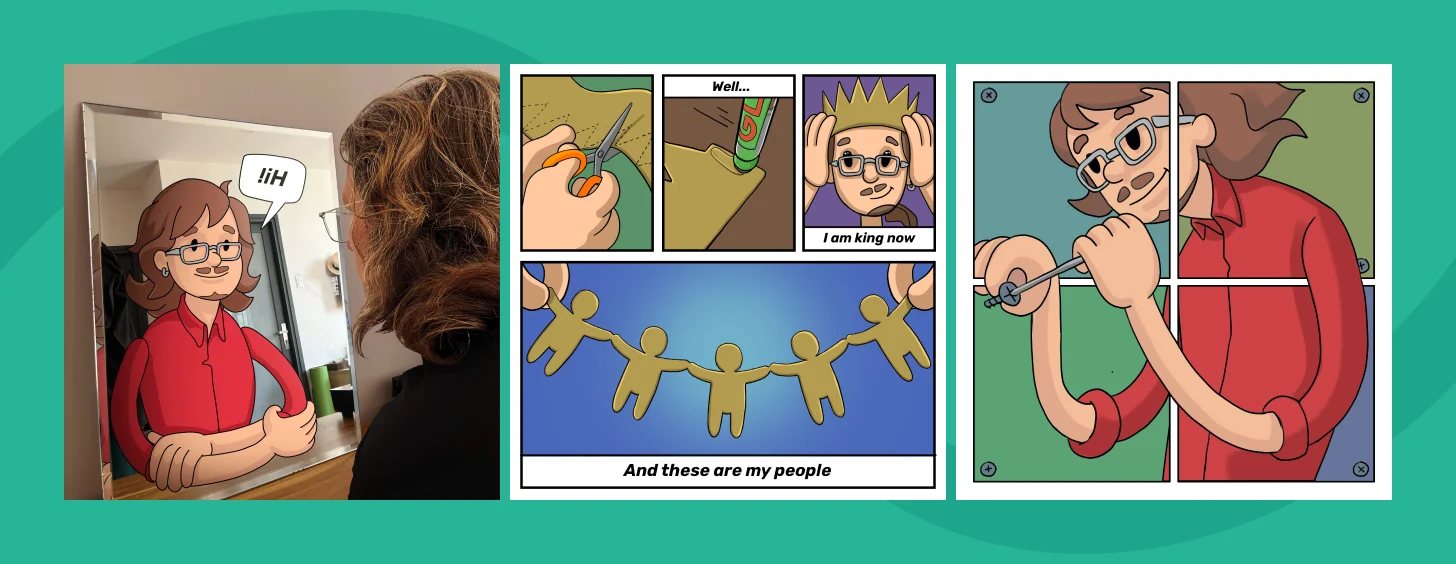
The path toward the right audience is far from straightforward. In theory, posting generates impressions; impressions compound into recognition; recognition sparks interest; and interest eventually becomes an audience. Yet even then, that audience may remain passive and unwilling to buy anything. To activate people, creators often need to offer trial access or some form of direct experience capable of generating buying intent. Expecting this entire transformation to happen automatically, simply because we post consistently, is not much different from expecting a stable income from lottery tickets.
And because there are so many unknown variables, we cannot map the journey accurately in advance. We can only navigate it through experimentation, failure, and adjustment. My LinkedIn experiment failed not only because I overvalued visibility, but because I treated the process like a bus ride instead of an expedition. By dedicating all my resources to consistency, I left nothing for navigation. Besides, three months was far too short a timeframe to reach any meaningful destination.
That is why, while working on my Substack, I avoid setting rigid expectations – whether about building an audience or selling something. I still do not know where my first loyal readers will come from or what they will truly need. Prepared for a long journey, I simply share stories and insights at a pace I can sustain.
The idea that rewards actively search for creators is one of those fairy tales creatives desperately want to believe. In reality, we must take responsibility for finding those rewards ourselves. Otherwise, we may spend our entire lives wondering whether our work is bad – or whether the reward simply never found our trail.