Let evolution happen
Overthinking projects is worse than having none.
About ten years ago, while looking for ways to improve my illustrator portfolio, I came across the idea of project-based thinking. It suggests building cohesive, deliverable bodies of work rather than producing standalone illustrations that vary in style, detail, and intent. However, I interpreted the word “project” in a very specific way—as something on the scale of Harry Potter— and quietly replaced it with “masterpiece”. Unsurprisingly, this substitution led to projects that never saw the light of day. My project City of Canals is a striking example.
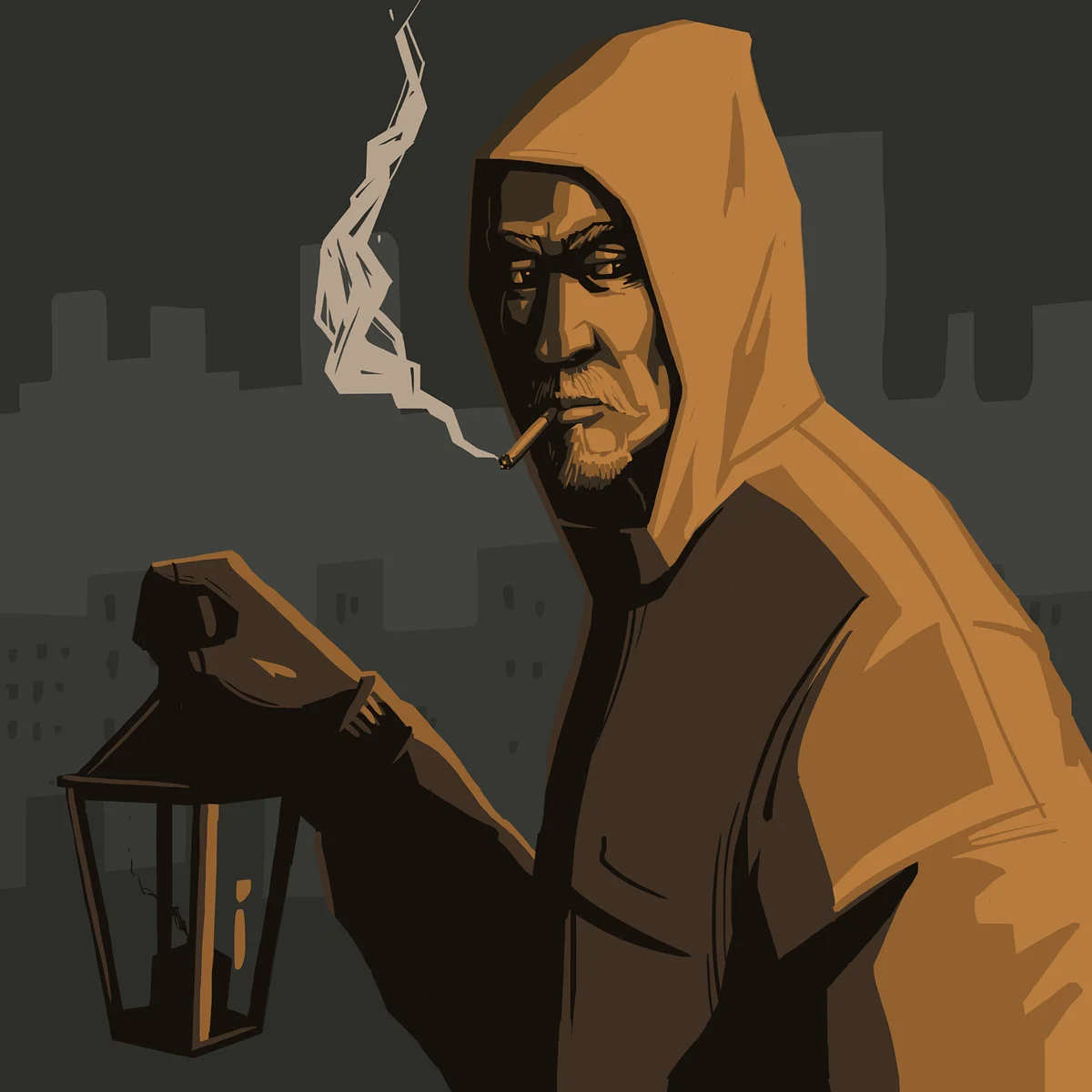
I began with nothing more than a portrait of a mysterious man holding a lamp. What I liked about it was its atmosphere, yet that felt too shallow to serve as the foundation for a masterpiece. I tried to inflate this faint signal into a grand narrative, asking myself countless questions about the man and the world he inhabited. The few artworks I actually produced barely conveyed the scale of what I had imagined. Still, the illusion of building something significant blinded me and justified the lack of tangible results.
It became difficult to ignore the progress others were making without this obsession with masterpieces, while I remained stuck. Tired of stagnation, I gradually changed the way I approached projects. I began to wonder how authors manage to finish their works despite plot holes and inconsistencies. Had J. K. Rowling fully designed the world of Harry Potter before writing the first page, devices like the time-turner might never have survived in their final form. Instead, she moved forward, kept what worked, and discarded what did not.
Flaws are tolerated when a project exists; poor design is unforgivable only when a project never leaves its author’s mind.
Had I understood this earlier, I would not have missed the real signal in my original work. What appealed to me was not the story but the atmosphere—the seed of a visual language. Instead of forcing meaning where none yet existed, I should have asked whether I could draw different characters, creatures, or environments using that language—and answer through drawings, not words. With each iteration, language would inevitably evolve and grow more refined. By sharing that progress, I might have attracted collaborators who could bring their own narratives, pushing the visual language even further. Regret, however, is of little use.
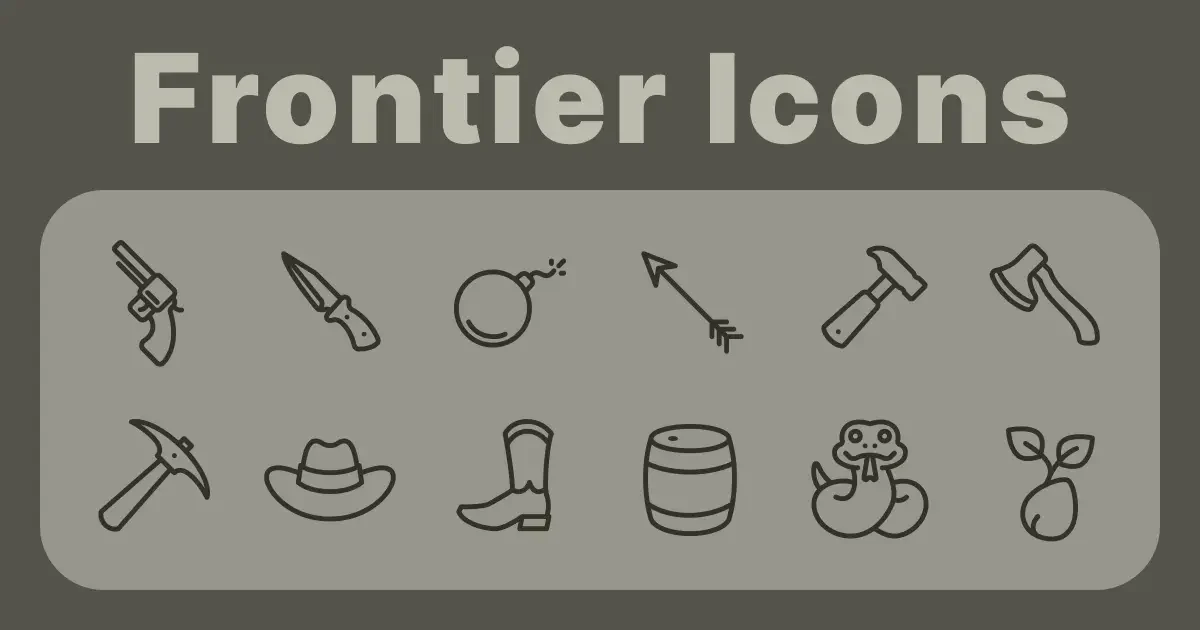
Last week, while preparing my previous essay, I could not find a revolver icon in the Lucide Icons library and decided to draw one myself. The provided grid was too dense for the level of detail I wanted, so I abandoned it and developed my own approach. After finishing the revolver, I wondered whether I could create more icons—and the theme was already there: the Wild West. A simple need, no overthinking—and just like that, the Frontier Icons pack was born. It is small for now, but it will grow naturally with each new essay I publish. To accelerate its development, I made the project free to use and open for contribution via GitHub.
Nothing guarantees a project’s success, but overthinking guarantees its failure. Allow imperfection. Do the work. Let evolution happen.