Does passion help us to find The Thing?
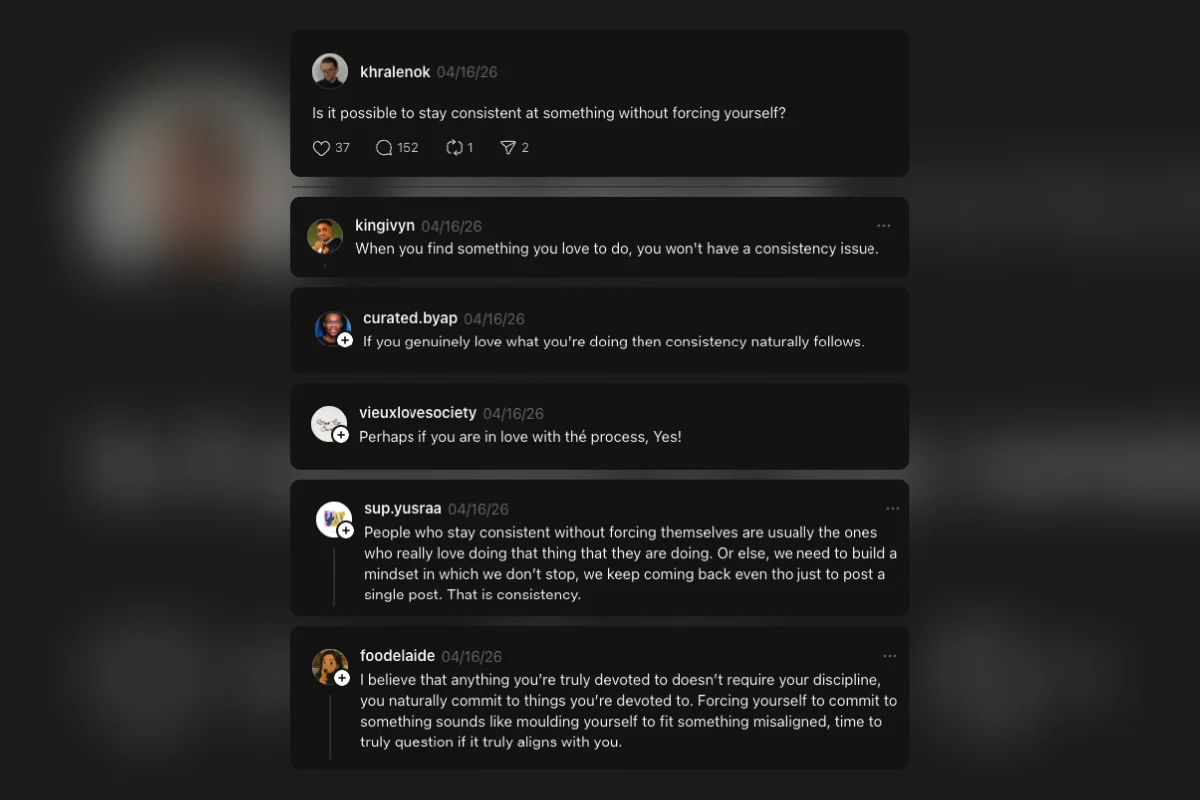
I asked on Threads whether it is possible to remain consistent at something without forcing yourself. People replied that it certainly is—if you do what you love. This paraphrase of the old saying, “Do what you love, and you’ll never work a day in your life”, spreads like a stubborn infection. Yet its absurdity becomes obvious the moment we invert it: “if a day feels like work, then you do not love what you do.” So why does this idea remain so persistent?
Its perceived credibility rests on three pillars. The first is religious: the idea of vocation—that God created each of us for a specific purpose. When a person does anything other than that calling, divine support is withheld; if they follow it doors open effortlessly. The second is philosophical: fear of radical freedom. If one knows what one loves, countless wrong choices are eliminated, and freedom becomes less overwhelming. The third is psychological: the concept of “true self”—a custom-made identity one must discover in order to become happy. The quote implies there is one reliable signal that tells us we have found the right path: ease.
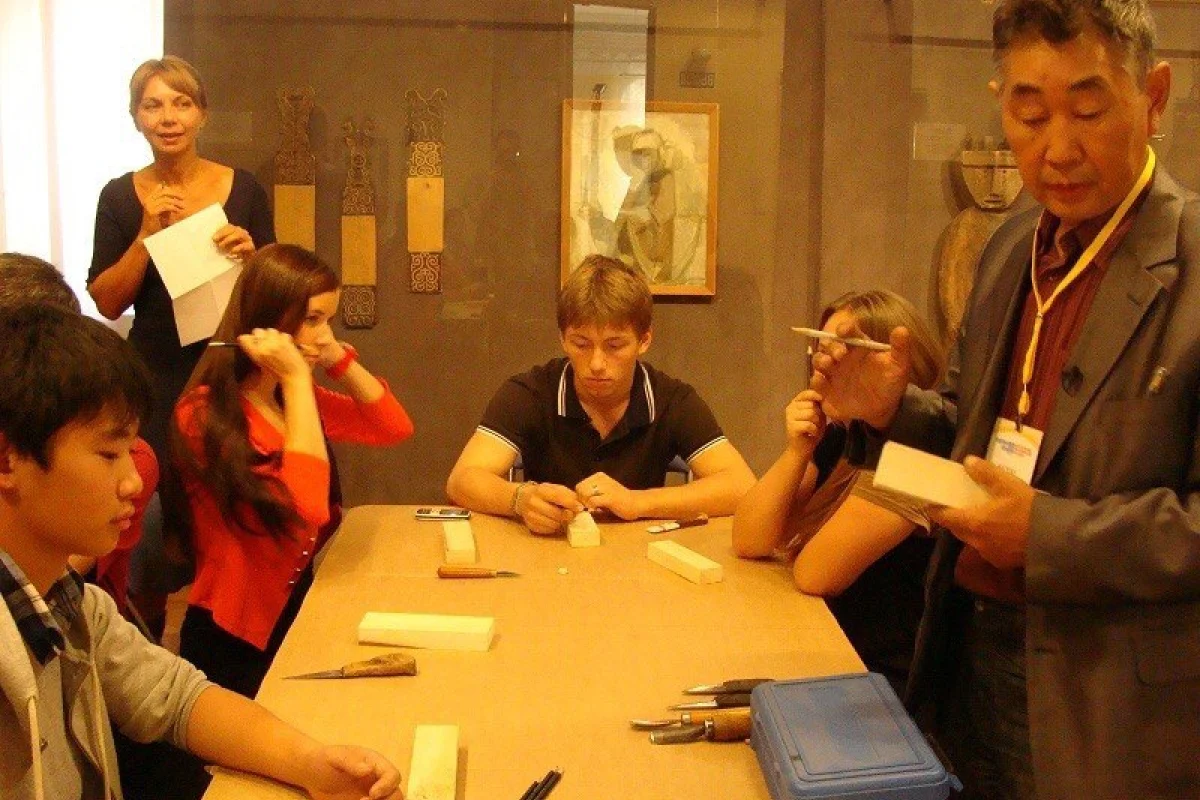
This signal, however, is far from unambiguous. I tried many pursuits searching for The Thing: poetry, pottery, writing, and coding, drawing, wood carving, guitar, and… Sorry, nothing fits the rhythm there, yet believe me, the list is long. Some pursuits proved more fruitful than others, but the signal was strong whenever I began. I fell asleep dreaming about the pursuit and woke eager to continue. Yet “these violent delights have violent ends…”. The deeper I went, the more obstacles I encountered. Initial excitement faded as quickly as hesitations grew. Eventually, the signal disappeared, replaced by the conclusion that this pursuit was not The Thing after all.
Leaping between pursuits in search of intense feelings consumes enormous energy while producing little output, even if passion seems to pay the bill at first. Worse still, the worldview built this way offers no guidance for choosing something worth pursuing despite the obstacles. It tells me that everything becomes difficult eventually; that some parts of any endeavor are engaging while others are painfully dull; and that, in the long run, everything starts to feel like work. Yet it tells me nothing about what is worth choosing.
At some point, I abandoned the idea of The Thing—or at least the idea of deliberately searching for it. I found something better instead: what I call the Texas Sharpshooter Strategy. The principle is simple: give things a shot, whether something entirely new or a fresh approach to an old pursuit. Whether I aim carefully or simply spray and pray, my task is only to keep shooting. Eventually, clusters of bullet holes appear on the wall. If someone asks what my target was, I walk over and paint one around the densest cluster. That is all. If this sounds like cheating, I would argue that this is how we judge other people anyway: by what they actually did, not by what they once claimed they wanted to do.
The Thing today may differ from The Thing tomorrow, and there is nothing wrong with that. We adapt to a constantly changing reality. Reliance on intense feelings often leads to unrealistic expectations and disappointment. So instead of the quote from the beginning, I would offer a reframed version: “We live to discover a few things we genuinely want to improve at, and do our best to keep doing them”. Unlikely to appear on a T-shirt, perhaps, but far more supportive and forgiving than the original—because it allows us to be messy and inconsistent today, and recognize the pattern later.