
Cryptonix / Brand design · CreativeOps
Brand, web & creative production
At Cryptonix, I worked across brand design, Webflow delivery, and creative operations. I helped turn an agency rebrand into a usable visual system and coordinated the people and technical details needed to ship websites, content, and tools.
Brand Designer | CreativeOps Manager
2024–2026
- Brand adaptation
- Webflow & web production
- Content & product tools

The challenge
The company was moving from an early crypto-startup identity toward a more business-oriented brand. An incomplete agency handover, changing marketing leadership, and stalled product work all needed practical follow-through.
My contribution
I designed and built in Webflow, developed the visual applications, and coordinated SEO, content, UX/UI, and development. For tool launches, I clarified requirements, divided responsibilities, and followed implementation through quality control.
Turn a rebrand into something the team can use
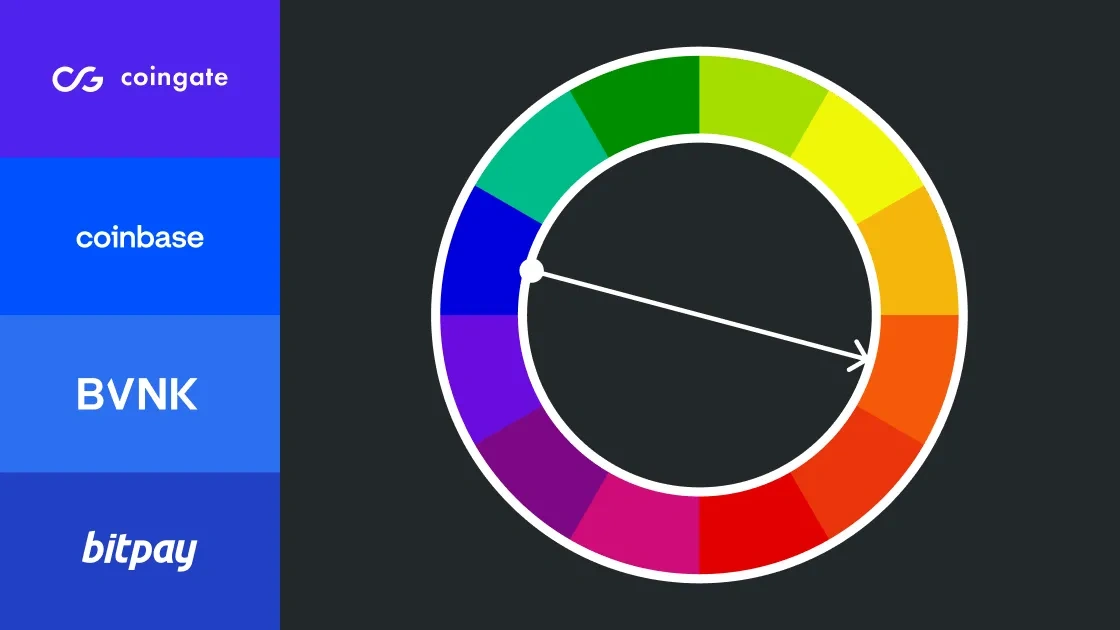
When I joined, Cryptonix used a dark identity with bright gradients. An agency rebrand was already underway, but extended approvals and changing scope left the handover incomplete. I maintained the existing brand, created social visuals, and worked on the website from design through Webflow implementation.
With a new marketing director, we revisited the agency material and I repeated the competitor review. We selected a white-and-orange direction and lightly adapted the proposed logo. The aim was to feel like familiar business infrastructure: clients wanted crypto payments, but the visual language needed to avoid the associations of speculative crypto culture.
Give each team the assets it actually needs
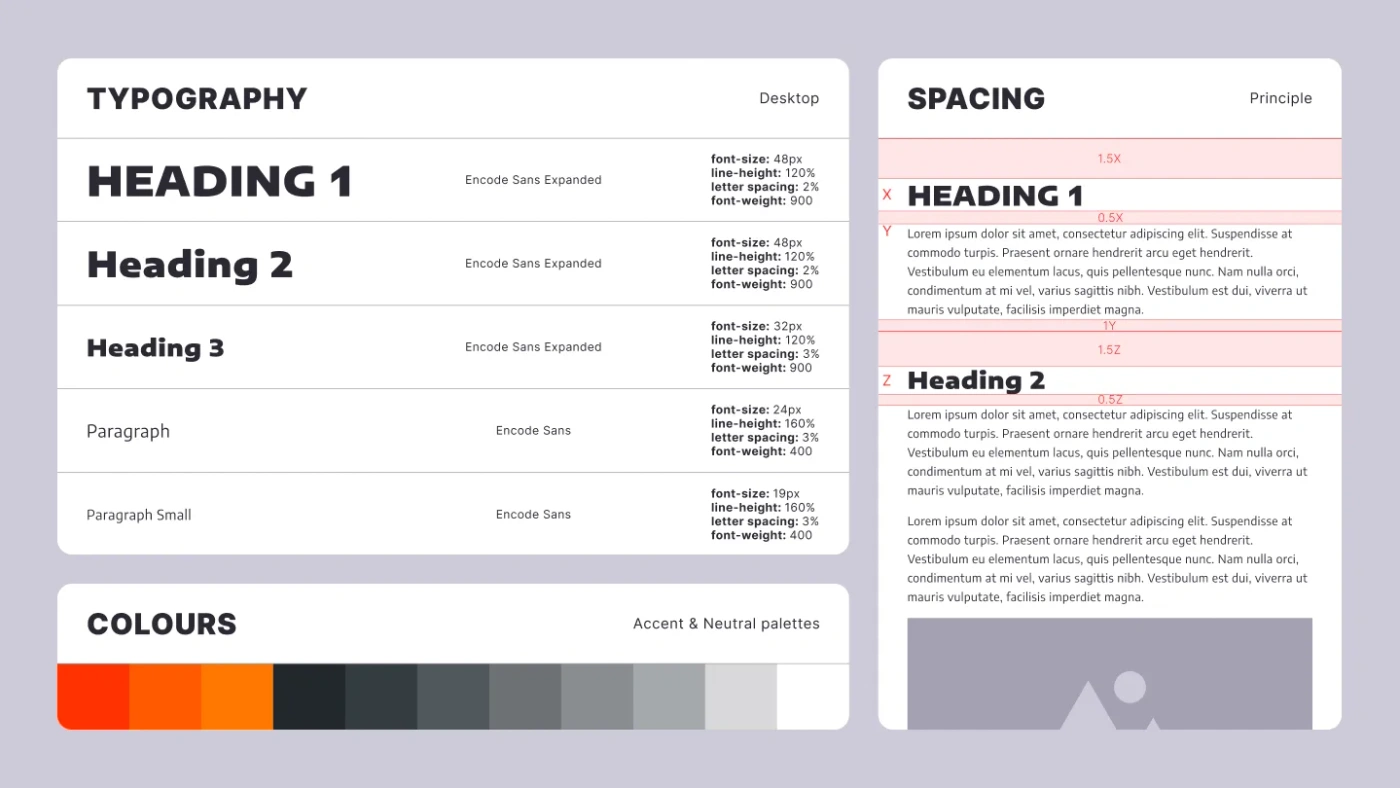
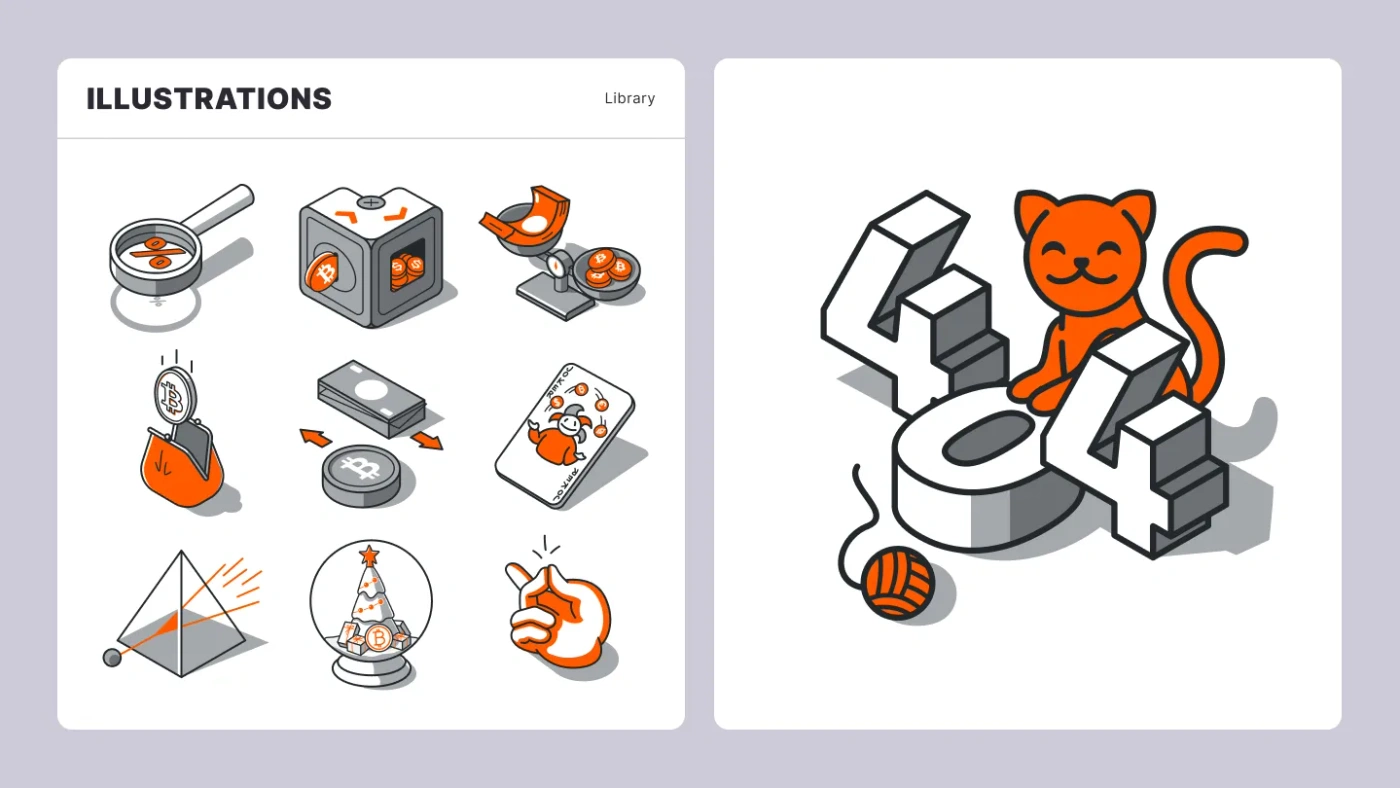
I applied the direction across web, social media, sales, email, merchandise, and events. Illustrations shared colours and construction rules, making them useful to several teams. Social graphics used a consistent orange focal point and headline treatment.
Reuse differed by channel. I used the social templates myself; developers used the website system, marketing used email templates, and sales worked with presentation layouts. A shared library helped, but each handoff needed to fit the people and tools on the receiving end.


Finish the last difficult part of a stalled tool
The crypto invoice generator had been stalled for about three months when I took it on. Most of the implementation was complete, but the remaining work involved cryptocurrency rounding, decimal precision, and API behaviour. The team lacked a shared understanding of how to resolve those details.
I decomposed the remaining tasks, separated responsibilities, and followed implementation through quality control. My experience in design and development, alongside an understanding of the product, helped bridge the gap between a nearly finished application and a working tool.
The wider tool work included a crypto receipt generator, a converter using current rates, and a separate partner-programme calculator. I coordinated design, development, and stakeholders for those projects. Getting them built also meant resolving different priorities around what marketing and sales needed.
Make repeated delivery easier
For website production, I brought product facts, SEO requirements, and implementation constraints into briefs before design and development handoffs. Content work combined AI-assisted drafting with factual checks, proofreading, and editorial review.
Over roughly a year, the team launched more than 60 pages and the three public tools. The publishing workflow also increased output from about one article per month to around four. Coordination continued to require attention; the systems reduced ambiguity rather than removing every dependency.
Looking back, I would invest earlier in deeper content automation. At the time, much of my capacity went into approvals, agency handover, and keeping designers, developers, and content contributors aligned.
Agree the inputs before handing work over
- Agree the requirementsBring SEO priorities, product facts, and implementation constraints together.
- Prepare the contentDraft, verify facts, proofread, and review.
- Design and implementHand over agreed content and clearer specifications.
- Check and launchResolve implementation details and review the finished work.